Drug-Free Schools and Campus Biennial Review 2022-2024 (PDF)
WellCat Prevention
Become a Recovery Ally on Campus!
Sign up for our Recovery Ally Training Today! Click Here!
![]()
Chico State Community Agreements
Promoting Respect. Empathy, and Integrity
At Chico State, we are committed to fostering a cutlure of belonging, excellence, and personal responsibility by prioritizing equity, diversity, and inclusion in all aspects of campus life. To achieve this, we encourage every member of the Chico State community to cultivate positivie relationships consciously and voluntarily with themselves and others. Such efforts require a lifestyle that starts with self-reflection, self-awareness, and self-control, and extends to personal and communal responsibility.
Campus Policy
In accordance with its mission of enabling students to achieve their educational goals, California State University, Chico is committed to creating a campus environment that is free from both the illicit and harmful use of alcohol and other drugs.
The purpose of the Use of Alcohol and Illicit Drugs Policy is to delineate university regulations concerning alcohol and other drugs, provide procedural guidelines, communicate the consequences of failing to adhere to established policies, and provide guidance as to available resources.
This policy is a significant component of the University’s overall compliance with the Drug-Free Schools and Campuses regulations, which implement the Drug-Free Schools and Communities Act of 1989. The University respects the right of individuals within the University community to determine whether to engage in the lawful consumption of alcohol under circumstances authorized by this policy. Members of the campus community, particularly students, who elect not to use alcoholic beverages, or not to include alcohol as part of sponsored events and activities, will be fully supported in that choice. The use of alcohol or other drugs in a manner that undermines a campus climate of civility, collegiality, reasoned debate, and adherence to the policies contained herein is not consistent with the values of California State University, Chico and will not be tolerated. The policy is excerpted below.
Except as permitted by the California State University, Chico Use of Alcohol and Illicit Drugs Policy, the manufacture, possession, distribution, sale or use of alcohol, illicit drugs or drug related paraphernalia, and the misuse of legal pharmaceutical drugs on-campus, or off-campus while on University business or participating in University sponsored functions, is prohibited. Drugs and drug-related paraphernalia may be possessed or used as permitted by state and federal law AND campus policy, or when lawfully permitted for the purpose of research or instruction.
Potential Health Risks and Effects Associated with Alcohol and Other Drugs Use
- Alcohol
- Short-term effects can include slurred speech, reduced inhibitions, motor impairment, confusion, drowsiness, emotional changes, sleep disruption, memory problems, concentration problems, reduced reaction time, decreased breathing and heart functions
- Long-term effects can include disruption of brain development, brain cell death, liver damage/cirrhosis of the liver, stomach and intestinal ulcers, increases in blood pressure, and other complications
- Overdose (alcohol poisoning) symptoms can include nausea and vomiting, loss of bladder and bowel control, blackouts (acute memory impairment), mental confusion, temporary loss of consciousness (with snoring/gasping for air), erratic breathing, hypothermia, paleness/blueness of skin, coma, death
- Risk of physical dependence: Low to high
- Risk of psychological dependence: Moderate to high
- Withdrawal symptoms can include shaky hands, sweating, anxiety, nausea/vomiting, headache, insomnia, disorientation*, hallucinations*, seizures*, coma/death*
*in more chronic cases - Please see "Hazards of Combinations" Category for dangerous combinations involving alcohol
- Illicit StimulantsAmphetamine ("speed"), cocaine, methamphetamineI("crystal meth") and more
- Short-term effects can include increased heart rate, breathing, blood pressure, and body temperature; decreased appetite; shakiness; cramping; anxiety; irregular heartbeat; panic attacks; irritability; paranoia; seizures; strokes
- When injected, there is an increased risk of infection (HIV and hepatitis)
- Many methamphetamine users experience skin wounds - "crank sores" (picking at imaginary bugs crawling on skin leads to scabs and infections)
- Long-term effects can include reduced appetite, tremors, loss of coordination, delirium, panic, paranoia, insomnia, hostility, brain damage, liver damage, chest pain, respiratory failure, nausea, seizures, and strokes
- Overdose symptoms can include intense chest pain, hallucinations, extremely shallow, slowed or stoppage of breathing, hyperthermia (fever), seizures, and sudden cardiac death
- Risk of physical dependence: Possible, but rare
- Risk of psychological dependence: Low (oral); high (snorted, injected IV, or smoked)
- Withdrawal symptoms can include depression, disorientation, irritability, craving, and sleep disturbance
- Combining cocaine and alcohol forms a third substance by the liver called Cocaethylene, which intensifies the effects of both drugs and increases risk of sudden death. Single high doses of cocaine or methamphetamine can lead to seizures, stroke, and sudden cardiac death.
- Short-term effects can include increased heart rate, breathing, blood pressure, and body temperature; decreased appetite; shakiness; cramping; anxiety; irregular heartbeat; panic attacks; irritability; paranoia; seizures; strokes
- Prescription Stimulants
Adderall, Ritalin and more
- Short-term effects can include increased heart rate, breathing, blood pressure, body temperature, decreased appetite, shakiness, cramping, anxiety, irregular heartbeat, panic attacks, irritability, paranoia, seizures and strokes
- Risks increase when taken in a way or dose other than prescribed.
- Long-term effects can include damage to brain, blood vessels, liver, and kidneys, infectious diseases (if injected), damage to nose tissue (if snorted), malnutrition, disorientation, confusion, depression, paranoia, hostility, and seizures
- Overdose symptoms can include intense chest pain; extremely shallow, slowed, or stoppage of breathing; hyperthermia (fever); seizures; and possible death
- Risk of physical dependence: Possible, but rare
- Risk of psychological dependence: Low (oral); high (snorted, injected IV, or smoked)
- Withdrawal symptoms can include fatigue, depression, disorientation, irritability, craving, and sleep disturbance
- Combined with alcohol, the depressant effects of alcohol may be blocked, resulting in consumption of potentially dangerous amounts of alcohol
- Short-term effects can include increased heart rate, breathing, blood pressure, body temperature, decreased appetite, shakiness, cramping, anxiety, irregular heartbeat, panic attacks, irritability, paranoia, seizures and strokes
- CannabisTobacco leaves contain the active ingredient nicotine, which is highly addictive. Methods of use include smoking/vaping, chewing, inhaling dry snuff through nose, and placing in mouth as powdered or shredded tobacco (chewing).
- Effects of nicotine can include a "buzz" caused in part by a release of epinephrine (also known as adrenaline). The rush increases blood pressure, breathing, and heart rate. Also, feelings of pleasure and relaxation.
- Health risks include increased risk of cancer, especially lung cancer when smoked and oral cancers when chewed; lung diseases such as chronic bronchitis and emphysema; asthma symptoms; chronic obstructive pulmonary disease (COPD); heart disease; oral health problems; depression and insomnia
- Risk of addiction: People who use nicotine may develop nicotine addiction or tobacco use disorder.
- Withdrawal symptoms can include irritability; craving; depression; anxiety; temporary losses in cognitive and attention abilities; sleep disturbances; increased appetite.
- TobaccoTobacco leaves contain the active ingredient nicotine, which is higly addictive. Methods of use include smoking/vaping, chewing, inhaling dry snuff through nose, and placing in mouth as powdered or shredded tobacco(chewing).
- Heroin
- Short-term effects can include shallow breathing, flushing of skin, heaviness of extremities, drowsiness, nausea, constipation, spontaneous abortion (for women), difficulty urinating, and gastrointestinal distress
- Long-term effects can include tolerance; liver or kidney disease; if using a needle abscesses, infectious diseases (HIV, hepatitis, etc.), and collapsed veins; infection of heart lining and valves; sexual and reproduction impairment in men and women
- Overdose symptoms can include slow and shallow breathing; clammy skin; constricted pupils; slow heart rate; lack of oxygen to the brain; coma; and death
- Risk of physical dependence: High
- Risk of psychological dependence: Very high (IV)
- Withdrawal symptoms can include restlessness; muscle and bone pain; insomnia; diarrhea; vomiting; cold flashes and goose bumps; and craving
- Combined with alcohol or over-the-counter medications increases risk of overdose, convulsions, coma, and death
- Prescription Opiate Painkillers
Codeine, fentanyl, hydrocodone (Vicodin), Methadone, morphine, Oxycodone (OxyContin), Percocet and more
Prescription narcotic, opiate pain relievers that can be addictive, create a euphoric high similar to heroin. Prescription opioid use, even when used as prescribed by a doctor can lead to a substance use disorder.
- Short-term effects can include shallow breathing, drowsiness, nausea, constipation, headache, vomiting, flushing of skin, difficulty urinating, anxiety, and other mood changes
- Risks increase when taken in a way or dose other than prescribed.
- Long-term effects can include tolerance; muscle breakdown; kidney failure; cardiovascular problems; increased heart rate, blood pressure, and body temperature; and depression
- Long-term usage from injection can cause cardiovascular damage, scarred/collapsed veins, risks of infections (HIV, hepatitis, etc.)
- Overdose symptoms can include slow and shallow breathing; slow heart-rate; clammy skin; constricted pupils; extreme drowsiness; seizure; loss of consciousness/fainting; muscle weakness; coma; and death
- Risk of physical dependence: Varies, but many carry high risk
- Risk of psychological dependence: Varies, but many carry high risk
- Withdrawal symptoms can include restlessness, irritability, muscle and bone pain, insomnia, diarrhea, vomiting, emotional distress, cold flashes and goose bumps, and craving
- Combined with alcohol or over-the-counter medicines increases risk of overdose, convulsions, coma, and death
- Fentanyl
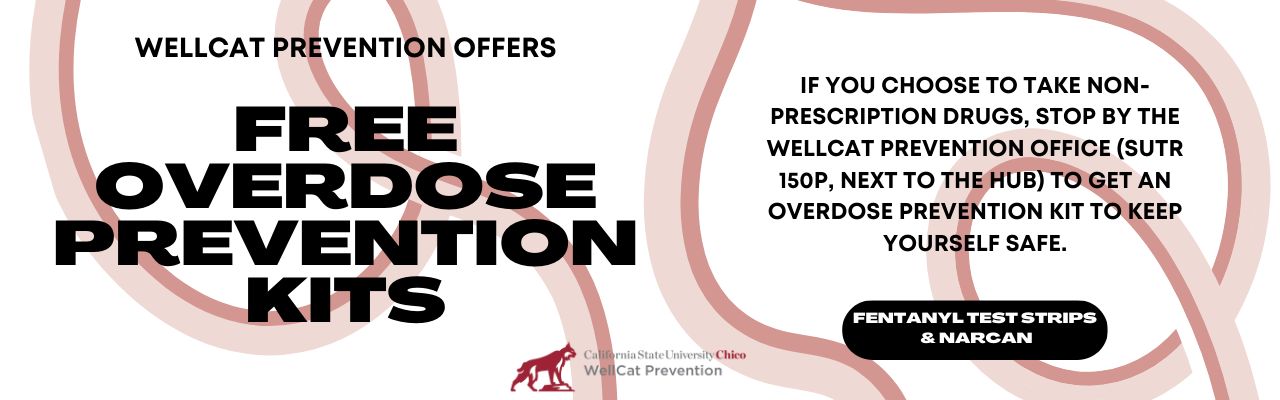
A synthetic opioid that is up to 50 times stronger than heroin and 100 times stronger than morphine. It is highly addictive and it is very easy to overdose on. Fentanyl is manufactured as both a pharmaceutical drug and an illicit drug. Fentanyl is often mixed with or "cut" into opioids such as heroin and counterfeit prescription drugs. Over the past years, it has been increasingly cut into other non-opioid drugs (liquid or powder form) such as ecstasy, cocaine, and cannabis. This makes the risk of accidentally ingesting Fentanyl much higher. For more information, visit the Centers for Disease Control Fentanyl Facts.
- Short-term effects can include drowsiness, confusion, pinpoint pupils, constipation, nausea, vomiting, slowed breathing
- Long-term effects can increase the risk of chronic and severe constipation, which may lead to other complications; breathing problems during sleep; heart attack and heart failure; immune system suppression; hormonal and reproductive issues (both men and women); and anxiety, depression, and other mood disorders.
- Overdose symptoms can include tiny pupils; loss of consciousness; shallow, irregular, or stopped breathing; limp body; blue, cold, or pale skin; choking or gurgling noises; coma; and death
- Risk of physical dependence: Very high risk
- Risk of psychological dependence: Very high risk
- Withdrawal symptoms can include dysphoric mood, intense craving for fentanyl, nausea, vomiting, insomnia, sweating, dilated (large) pupils, diarrhea, aching muscles, and fever
- Kratom
Kratom (mitogynine and 7-hydroxymitragynine)
LACDPH News Release: Multiple Fatal Overdoses Tied to Synethetic Kratom Compoound in Los Angeles County
Kratom is an herbal extract who effects produced depends ont he dose. BEcause of this, it cannot be placed into a single drug category. Its primary active compounds interact iwht the same brain receptors as opioids. This activity is responsible for the calming and pain-relieving effects at higher doses. Though it is not a scheduled controlled subtance, it comes with its risks.
- Short-term effects can include jitteriness, muscle tension, involuntary teeth clenching, nausea, blurred vision, rapid eye movements, dizziness, chills, sweating, decreased appetite, sleep difficulties, depression, panic attacks, paranoia, and psychotic episodes
- Long-term effects can include muscle breakdown; kidney failure; cardiovascular problems; increased heart rate, blood pressure, and body temperature; and damage to serotonin neurons
- Overdose symptoms can include jitteriness, involuntary teeth clenching, high blood pressure, increased body temperature, panic attacks, loss of consciousness, kidney failure, seizures, coma, and death
- Risk of physical dependence: Unknown
- Risk of psychological dependence: Unknown
- Withdrawal symptoms can include fatigue, loss of appetite, depression, and trouble concentrating
- Combined with alcohol may cause nausea, vomiting, coma, and death (particularly in active, hot environments). Dangerous when combined with certain antidepressants (MAO inhibitors)
- MDMA
MDMA (3, 4-methylinedioxy-methamphetamine)
"ecstasy", "molly"
- Short-term effects can include jitteriness, muscle tension, involuntary teeth clenching, nausea, blurred vision, rapid eye movements, dizziness, chills, sweating, decreased appetite, sleep difficulties, depression, panic attacks, paranoia, and psychotic episodes
- Long-term effects can include muscle breakdown; kidney failure; cardiovascular problems; increased heart rate, blood pressure, and body temperature; and damage to serotonin neurons
- Overdose symptoms can include jitteriness, involuntary teeth clenching, high blood pressure, increased body temperature, panic attacks, loss of consciousness, kidney failure, seizures, coma, and death
- Risk of physical dependence: Unknown
- Risk of psychological dependence: Unknown
- Withdrawal symptoms can include fatigue, loss of appetite, depression, and trouble concentrating
- Combined with alcohol may cause nausea, vomiting, coma, and death (particularly in active, hot environments). Dangerous when combined with certain antidepressants (MAO inhibitors)
- Sedative-Hypnotics and Benzodiazepines
Xanax, Valium, Rohypnol ("roofies"), GHB, Ketamine, Ambien, Xylazine, and more
Effects of sedative-hypnotics and benzodiazepines include:
- Short-term effects can include light-headedness; vertigo; drowsiness; slurred speech; muscle incoordination; impaired learning and memory (from a couple hours to more than a day); anxiety; nightmares; and hostility
- Risks increase when taken in a way or dose other than prescribed.
- Long-term effects can include learning and memory impairment; depression; psychotic experiences; aggressive and impulsive behaviors
- Overdose symptoms can include memory impairment; drowsiness; muscle incoordination; slurred speech; unresponsiveness; loss of reflexes such as blinking, gagging and reacting to painful stimulus; shallow or stopped breathing; heart failure; coma; and death
- Risk of physical dependence: Low to moderate (benzodiazepines); moderate to high (sedatives); low (hypnotics)
- Risk of psychological dependence: Moderate to high (benzodiazepines); moderate to high (sedatives); low (hypnotics)
- Withdrawal symptoms can include sleep disturbance; anxiety; insomnia; tremors; delirium; convulsions; increased heart and blood pressure; auditory and visual hallucinations; seizures; and death. (Medical supervision is needed!)
- Combined with other depressants (e.g., alcohol, opiates, benzodiazepines, etc.), can slow down the respiratory system to dangerous levels, increasing risk for convulsions, coma, or death
- Short-term effects can include light-headedness; vertigo; drowsiness; slurred speech; muscle incoordination; impaired learning and memory (from a couple hours to more than a day); anxiety; nightmares; and hostility
- Hallucinogens
LSD "acid', mushrooms/psilocybin, PCP, Ketamine, salvia
- Short-term effects can include visual illusions; hallucinations; altered perception of one’s own body; increased blood pressure and heart rate; anxiety and/or panic symptoms; fear of going insane; suicidal/homicidal ideation
- Long-term effects can include flashbacks; changes in brain chemistry; depression; other mood shifts; symptoms of schizophrenia (Hallucinogen Persisting Perception Disorder), though psychotic symptoms can occur following minimal use as well
- Overdose symptoms are rare and poorly understood. May resemble a state of psychosis. More dangerous than overdose symptoms are individuals acting on irrational thoughts experienced when under the influence.
- Risk of physical dependence: Varies none to low; some unknown
- Risk of psychological dependence: Varies low to high; some unknown
- Withdrawal symptoms are rare and poorly understood
- Combined with alcohol may intensify negative experiences (also known as "bad trips") and leave the user intoxicated and experiencing perceptual distortions, which can lead to very dangerous behavior.
- Inhalants
Nitrous oxide/whippets, aerosol propellants, nitrates, solvent glue and more
- Short-term effects can include intoxicating effects, accidents, disorientation, slurred speech, lack of muscular coordination, loss of consciousness, headaches, vomiting, asphyxiation, seizures, coma, and death
- Use while engaging in sexual activities can also lead to unsafe sexual practices, thus risking transmission of HIV and other sexually transmitted infections.
- Higher risk of death from first time use
- Long-term effects can include central nervous system, brain, kidneys, liver, heart, and lung damage
- Overdose symptoms can include slurred speech, balance difficulties, headaches, vomiting, suppression of respiration, seizures, and coma
- Risk of physical dependence: Varies
- Risk of psychological dependence: Varies
- Withdrawal symptoms can include nausea, loss of appetite, sweating, headaches, sleep difficulties, and mood changes
- Combined with alcohol, inhalants can dangerously lower blood pressure
- Short-term effects can include intoxicating effects, accidents, disorientation, slurred speech, lack of muscular coordination, loss of consciousness, headaches, vomiting, asphyxiation, seizures, coma, and death
- Hazards of Combinations
- Alcohol (a depressant) + Other Depressants (heroin, OxyContin, Vicodin, Xanax, Valium, etc.) - heart rate and respiration slows down, increased risk of coma, convulsions, and death
- Alcohol + Stimulants - can lead to nausea, vomiting, loss of consciousness, coma, and death
- Alcohol + Antihistamines - intensifies the sedative effects of the drugs
- Alcohol + Antidepressants - may lead to blood pressure problems; increases sedative effects of the antidepressant; and increases negative effect of alcohol on the liver. Using alcohol with certain antidepressants (MAO inhibitors) can cause potentially fatal sudden increases in blood pressure, known as hypertensive crisis